When the City Wakes Without You: A Dawn Landing Practice for Night Shifts
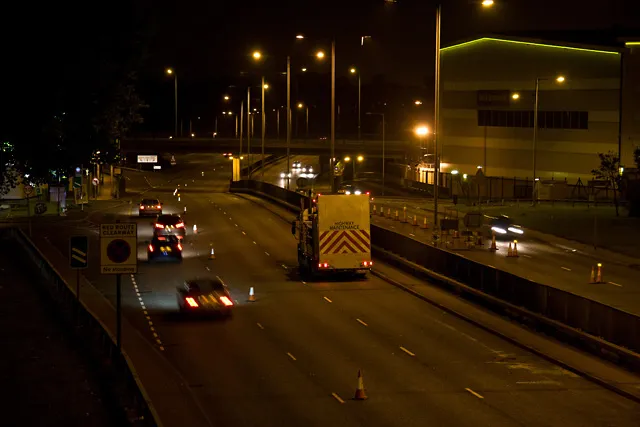
Photo: Martin Addison, CC BY-SA 2.0, via Wikimedia Commons
There is a particular kind of quiet that belongs to the end of a night shift. The roads are thinning out, the first buses are filling up, and somewhere outside your window the sky is doing that soft grey-to-pink thing that everyone else calls morning. For NHS staff, carers, cleaners, warehouse teams, hospitality workers and anyone else who has been awake while the rest of the country slept, dawn can feel less like a beginning and more like a very soft collision.
You are not simply tired. You are wired and weary at the same time. The body has been holding itself alert for hours, and the nervous system has not yet received the memo that the shift is over. This practice is not about forcing sleep or fixing your routine. It is a landing: a short, gentle sequence you can do without a mat, without incense, and without turning rest into another task to complete.
First, let the shift end
Before you stretch, give yourself a minute to stop being needed. Sit down, if you can. Let your hands rest on your lap. Notice the chair beneath you, the floor under your feet, the weight of your own body being held. You might feel the solar plexus — the soft area below your ribs and above your navel — still braced, still braced for the next call, the next resident, the next task.
You do not have to soften it immediately. Simply place a hand there and let your palm be warm. Say to yourself, silently or otherwise: the shift is finished. That sentence is allowed to be the whole practice if that is all you have the energy for.
A mat-free sequence for the edge of the day
This sequence takes around eight to ten minutes. Do it in the staff room before you leave, in your kitchen when you get home, or beside your bed with the curtains still closed. Move slowly enough that you can breathe.
1. Standing pause with a long exhale. Stand with your feet roughly hip-width apart. Let your arms hang. Take three slow breaths, making each exhale a little longer than the inhale. There is no need to count perfectly. The message is simply: we are no longer rushing.
2. Jaw and shoulder release. Roll your shoulders up towards your ears, then let them drop. Repeat three times. Then gently open and close your jaw, letting your tongue rest soft. Night shifts often live in the jaw and shoulders. Let them be included.
3. Side bend with a solar plexus hand. Bring your left hand to your upper belly and your right arm overhead. Lean gently to the right, breathing into the left side of your ribs. Hold for two breaths, then change sides. Keep the movement small and unambitious. This is not a performance.
4. Standing cat-cow. Place your hands on your thighs. Inhale as you lengthen your spine and lift your chest a little. Exhale as you round softly, tucking your chin. Repeat four or five times. Let the movement wake up your back without demanding anything of it.
5. Seated twist on a chair. Sit towards the front of a chair with your feet flat on the floor. Inhale to lengthen. Exhale and turn gently to the right, resting your hands on the chair back or your thigh. Stay for three breaths, then return to centre and repeat on the left. Keep your belly soft. Twists are not a competition.
6. Standing forward fold with bent knees. From standing, soften your knees and fold forward, letting your head hang. Rest your hands on your thighs or let your arms dangle. Stay for four slow breaths, then roll up slowly. If you feel dizzy or light-headed, come up more slowly or skip this one entirely.
7. Legs up the wall, if you are home. Lie on your back near a wall or a sturdy door and rest your calves upwards. Stay for two or three minutes. This is less about doing and more about allowing the legs to stop carrying you. If getting down to the floor feels like too much after a long shift, simply sit and put your feet on a low stool instead.
The breath that says: you can stand down
When the body has been on alert, a long, gentle exhale is often more useful than a deep, forceful inhale. Try this simple breath practice once you are sitting or lying down.
Breathe in through your nose for a comfortable count of four. Breathe out through your nose or mouth for a count of six. Repeat for a minute or two. If six feels too long, use a count of five, or simply make the exhale slightly longer than the inhale without counting at all. The aim is not perfect breath control. The aim is to signal to your solar plexus that the watch is over.
You might also try a soft humming exhale. Inhale gently, then hum on the out-breath, letting the sound vibrate around your chest and belly. Do this three or four times. It can feel a little strange at first, especially in a shared staff room, but humming is a quiet, portable way to soothe a busy nervous system. If you are self-conscious, simply exhale with a soft sigh instead.
Landing at home
The journey home matters too. If you are driving and feel dangerously sleepy, do not push through. Ask a colleague to sit with you, take a taxi if you can, or wait until you are safe to travel. There is no yoga sequence worth ignoring that kind of tiredness.
Once you are home, treat the next hour as a gentle bridge rather than a countdown to sleep. Lower the lights. Keep the room cool but not cold. Put your phone somewhere out of reach for ten minutes. If you live with other people, a simple note on the kitchen table can help — something like “slept late, please don't knock” is a small act of self-care that also protects your rest.
Have something small and comforting: a glass of water, a banana, a slice of toast, a warm drink without too much caffeine. Pull the curtains closed against the daylight. If your room is bright, a blackout blind or an eye mask can make a real difference on a sunny November morning.
And if sleep does not come straight away, try not to treat that as failure. Night shifts ask a lot of the body. Sometimes the best you can do is lie down, breathe slowly, and let your solar plexus know that it is allowed to rest even before sleep arrives.
This is not medical advice, and ongoing sleep difficulties are worth mentioning to your GP or occupational health team. But for the ordinary, complicated tiredness of irregular hours, a short practice like this can be a kindly way to come back to yourself. The city may be waking up without you. You are still allowed to go home, soften, and rest.