The Quiet Centre: Why Solar Plexus Yoga Doesn’t Have to Be a Self-Improvement Project

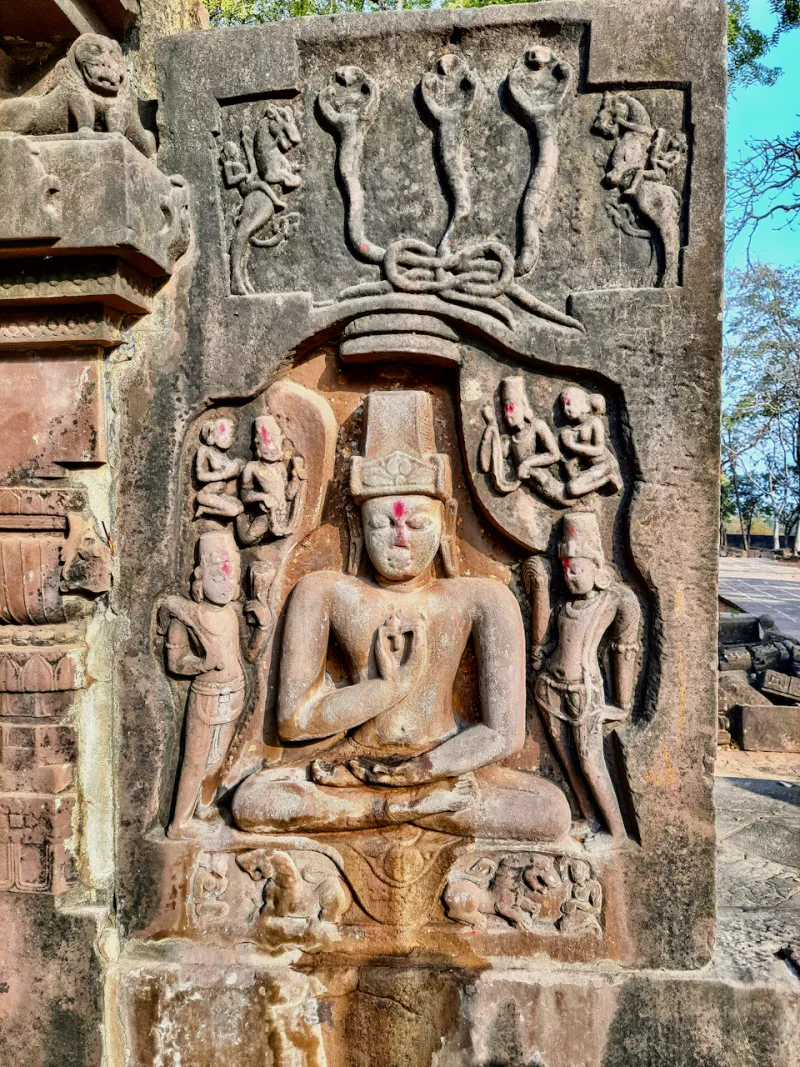
Photo: The original uploader was Chris K at German Wikipedia., Public domain, via Wikimedia Commons
Manipura has a reputation problem. In a lot of modern yoga content, the solar plexus chakra is presented as the place to go when you need to ‘step into your power’, ‘raise your vibration’ or finally become the sort of person who wakes at 5am and answers emails with a clear conscience. Confidence becomes a project. The practice becomes another thing to optimise.
But for many people in the UK, the problem is not a lack of ambition. It’s the opposite. We are already pushing. We are already trying to be more productive, more available, more on top of things. By the time we roll out a mat, or simply stand still in the kitchen, the last thing we need is a yoga practice that feels like a performance review.
So this is a gentler take on Manipura. Not a rejection of confidence, but a quieter understanding of it. Less ‘become a force of nature’. More ‘notice what you actually need, and trust that you can respond’.
Fire can be a hearth, not a furnace
Tradition often associates the solar plexus with fire and will. That imagery is powerful, and it can be useful. Fire gives warmth, digestion, clarity and the ability to take action. But fire does not have to be a furnace. It can be a hearth: contained, steady, something you sit beside rather than something that consumes you.
When we frame solar plexus yoga only as a way to ‘boost confidence’ or ‘get motivated’, we can miss the quieter qualities of Manipura. Self-trust. Boundaries. The ability to say no without a long justification. The capacity to notice that you are tired before you are burnt out. These are not glamorous outcomes. They are not the stuff of before-and-after photos. They are, for many busy practitioners, the more useful work.
Confidence is not the same as self-trust
Confidence is often about how you appear. Self-trust is about how you relate to yourself when things are messy. You can be confident in a meeting and still ignore your body’s signals for weeks. You can be self-trusting and still feel nervous before a presentation, a hospital appointment or a difficult phone call.
Solar plexus practices can support self-trust because they invite you to pay attention to your centre without forcing it to perform. A hand on the belly. A slower exhale. A moment of noticing where you are bracing. That is not about becoming more productive. It is about becoming more familiar with your own signals.
For anyone navigating comparison, burnout or the particular grey pressure of a UK winter — dark by the time you leave the office, trains delayed, everyone on social media doing something brighter — this distinction matters. The practice can become a place where you stop measuring yourself. Not because you have transcended comparison, but because you have given yourself ten minutes where it is not the point.
The winter morning test
Let’s be honest about the conditions. On a dark November morning in a rented flat with single glazing, the idea of a dynamic solar plexus flow can feel less like self-care and more like a challenge. The heating is not on yet. The floor is cold. Your phone is already lighting up with messages. There is a strong case for staying under the duvet.
A kinder practice meets you there. It does not require a cold plunge or a sunrise walk. It might be three minutes of breathing before you check your phone. It might be sitting on the edge of the bed, hand on your ribs, noticing the breath move for five cycles. It might be a single gentle twist before you make tea. The point is not that these small things will fix everything. The point is that they are real practice, and they count.
This is where Manipura as a hearth becomes useful. You are not trying to ignite a bonfire. You are keeping something warm.
Three gentler ways to frame the practice
-
From ‘boost’ to ‘notice’. Instead of asking how to make yourself more confident, ask what you are noticing in your centre right now. Is it tight, hollow, warm, numb? You do not have to fix the answer. Noticing is the practice.
-
From ‘push’ to ‘support’. When you breathe into the solar plexus, imagine the inhale supporting you rather than filling you with energy you must then use. Let the exhale be a sigh of release. If you feel pressure to ‘do it properly’, soften the effort a little.
-
From ‘outcome’ to ‘rhythm’. You do not need a ten-minute sequence every day. You need a rhythm you can return to. Two minutes of standing breath before the kettle. A slow exhale at your desk. A hand on your belly in bed. The rhythm matters more than the length.
A short journaling practice for quiet self-trust
Because this is not about forcing a feeling, a few gentle prompts can help. Set a timer for five minutes. Write without editing. If you miss a day or a week, begin again without a lecture.
- Where am I pushing when I could be supporting myself?
- What would self-trust look like in one small decision this week?
- What can I leave undone without becoming less of a person?
- When did I last feel steady, even briefly? What was there?
You do not need to share the answers. You do not need to turn them into a plan. The aim is simply to make room for a more honest conversation with yourself.
A quieter kind of strength
Manipura is not a performance review. It is not a monthly target or a personality upgrade. It is a place in the body where you can practise paying attention. For some people, that will look like more visible confidence. For others, it will look like going to bed earlier, saying no to one more thing, or breathing before you reply to a message that has wound you up.
If you have been approaching solar plexus practices as another way to hustle, you are allowed to stop. You are allowed to make the practice softer. You are allowed to let it be a place where you do not have to prove anything, even to yourself. That might be the most radical kind of confidence there is.